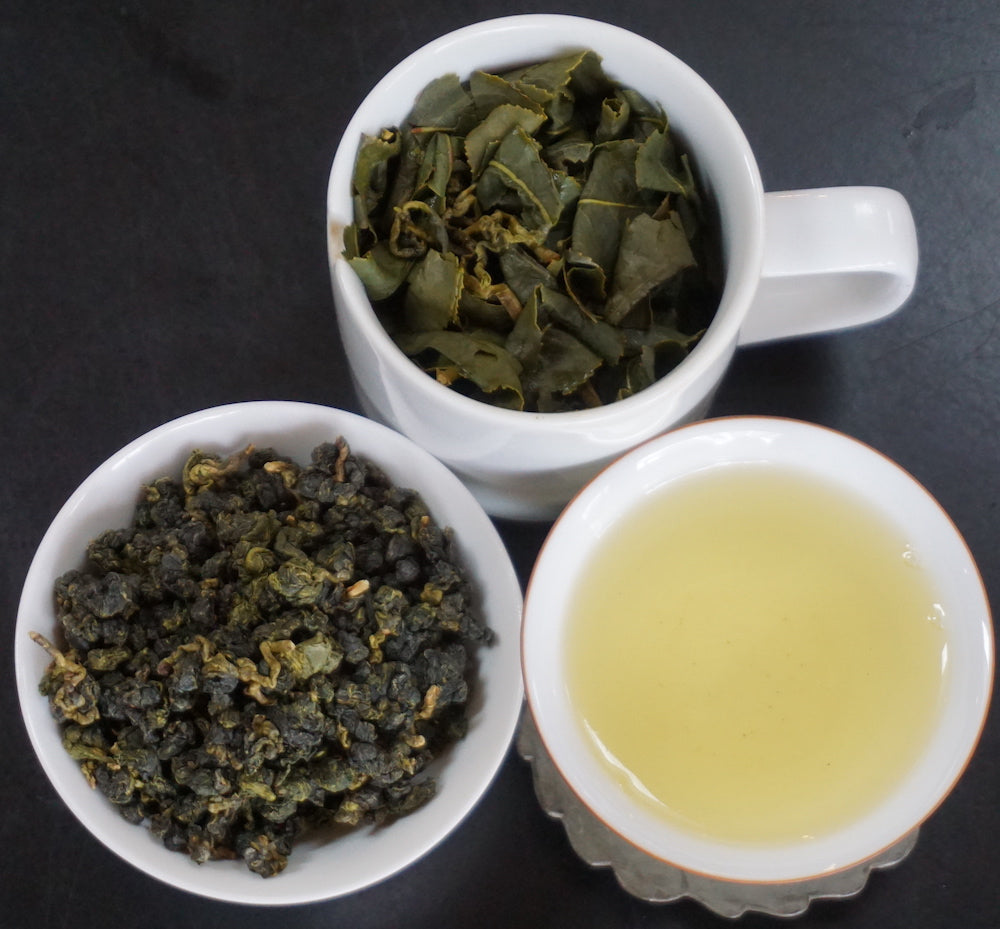
Article: Glass vs Porcelain vs Clay: Which Teapot Makes the Best Tea?
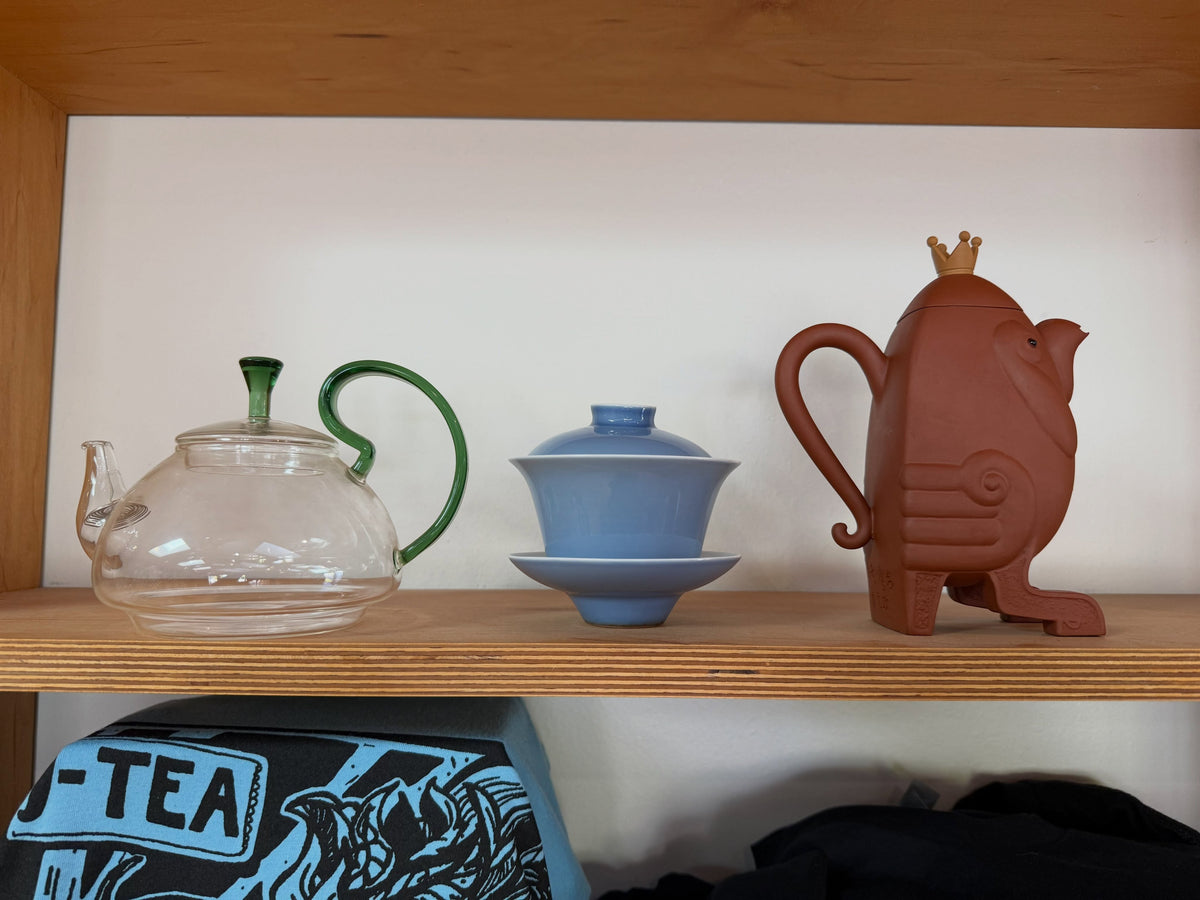
Glass vs Porcelain vs Clay: Which Teapot Makes the Best Tea?
Yes, your teapot changes how your tea tastes. The difference between one material and the next is small, but small things add up to a noticeably better cup.
People ask us all the time at the teahouse what they should brew their tea in. Here is the short answer, and then the reasons behind it.
The ranking: glass, porcelain, clay
From good to best, the order is glass, then porcelain, then clay. The biggest reason is heat. Glass loses heat fastest, porcelain holds it a little better, and clay holds it best.
That doesn't mean glass is bad or clay is always right. It means each material suits certain teas, and knowing which is which gives you more control over your brew.
Glass: best for delicate teas
Glass sheds heat quickly, so it works well for teas that want a lower brewing temperature. Think green tea, or a delicate summer-harvest, bug-bitten oolong like Eastern Beauty.
Glass also has one advantage no other material can match: you get to watch the leaves unfurl as they brew.
You can still brew a roasted oolong in glass, and it will taste good. You'll just notice a subtle improvement as you step up to porcelain, and again to clay.
Porcelain: the most versatile choice
Porcelain is one of my favorite brewing materials because it handles almost anything. In a single session with one porcelain gaiwan, you could brew:
- A Japanese green tea
- A Taiwanese high mountain oolong
- A roasted oolong
- Jasmine pearls
- A cooked Puer to finish
It's fun to use once you get the hang of it. Here's the one trick that matters: don't overfill it. Pour the water to about three-quarters full, stopping just before the rim starts to flare out. That leaves the edges cool enough to grip without burning your fingers.
Clay: when your tea wants it hot
Clay's main advantage is heat retention. Warm the pot first, add the leaves, pour in hot water, and the clay body keeps the temperature high and steady for the length of the steep.
Many people assume hotter water is always worse. For some teas, it's exactly what they need:
- Black tea
- Oolongs, especially roasted and highly oxidized ones
- Cooked Puer
- Aged raw Puer
The exception is young raw Puer, which usually does better at a lower temperature.
How clay pots are made, and why it matters
Clay pots fall into three broad groups, and price generally rises with the amount of hand work:
- Slip-cast. Liquid clay is poured into a mold. You can usually spot a faint seam line where the mold sealed or was broken open.
- Mold plus hand work. The body may be molded while the handle, spout or other parts are shaped by hand. The more hand-finished parts, the higher the price tends to go.
- Fully handmade. These usually use a higher grade of clay and take real expertise to make, so they cost the most.
Clay color: matching the pot to the tea
The darker the clay, the higher its iron content, and the more heat it holds. Clay ranges from light red to very dark, and that range maps neatly onto tea styles.
|
Clay |
Heat retention |
Best for |
|---|---|---|
|
Dark, high-iron |
Highest |
Aged raw Puer (20–30+ years), cooked Puer, traditional roasted Tieguanyin (Iron Goddess of Mercy) |
|
Light red |
Moderate |
High mountain oolong, Baozhong and other green oolongs |
If a tea is heavily roasted and highly oxidized, reach for the darkest clay you have. If it's light and floral, a lighter clay keeps it from cooking.
The bottom line
- Glass: lower temperatures, delicate teas, and the joy of watching the leaves.
- Porcelain: one vessel for nearly everything.
- Clay: steady high heat for roasted oolongs, black tea and Puer, with darker clay for the darkest teas.
None of these differences is huge on its own. Together, they're the difference between a good cup and a great one.
Want to try it yourself? Browse our teas and teaware at jteainternational.com, or join the J-TEA Tea Club for tea sourced directly from Taiwanese family farms, delivered every month. And if you're in Eugene, stop by the teahouse at 2778 Friendly Street.