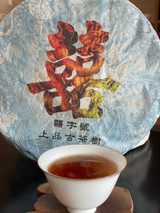
The GOAT
$9.00 - $180.00

Raw puer is the long game.
It starts bold — almost aggressive. Young sheng has a green, sometimes smoky character with a bitterness that grabs you. Most people don't fall in love with it immediately. But give it time, and something remarkable happens. Over 10, 15, 20 years, the edges soften, the color deepens from green to amber to red, and a complexity emerges that no other tea can replicate. After 25 years or more, a well-stored raw puer can be almost unrecognizable from where it started.
This is why serious collectors treat puer like wine — or better. A cake stored well in the right humidity and temperature becomes more valuable, more nuanced, and more sought after with every passing year. The quality of the original leaves matters enormously. So does storage. A great tea stored badly is a missed opportunity.
I've tasted raw puers from the 1980s that stopped me mid-sip. That's what you're chasing with this category. If you want to go deeper on what makes raw puer worth the patience, I wrote about it here.
If you'd rather let me choose — every season I select a raw puer for the J-TEA Puer Club, sourced from the same producers I've worked with for two decades. It's the easiest way to start building a small collection worth keeping.